
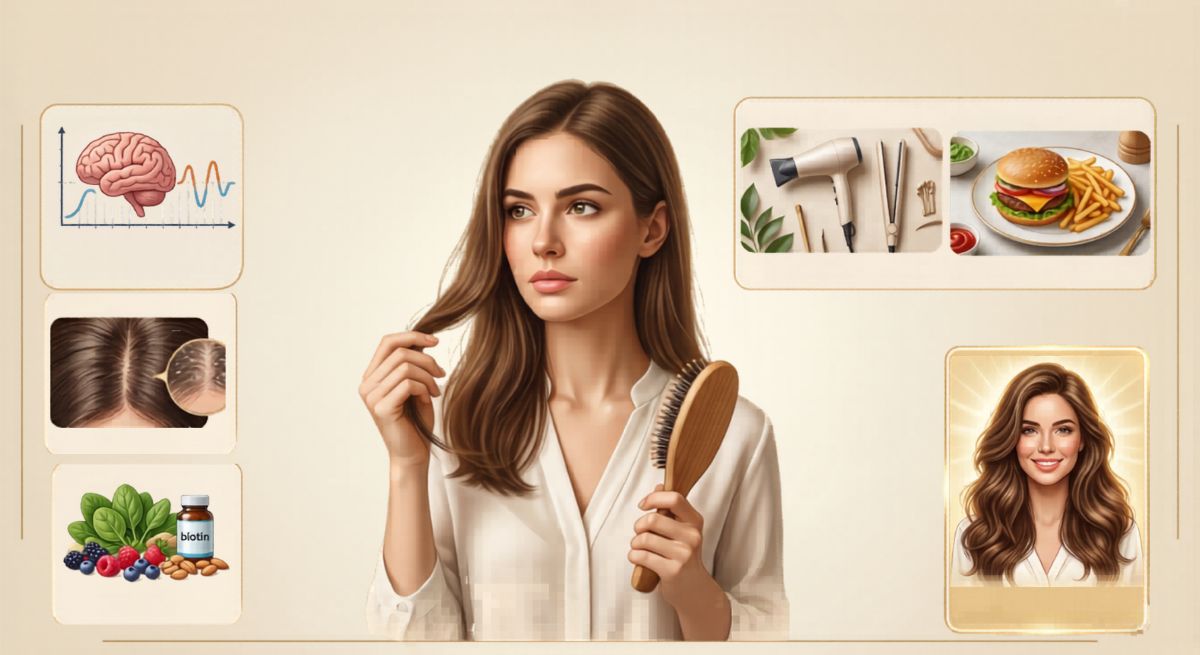
Hair fall is a common challenge for many women, and while it can feel overwhelming, understanding the science behind it is the first step toward recovery. Your hair is often a reflection of your internal health and external habits. By identifying the primary culprits, ranging from lifestyle stressors to biological imbalances, you can take action to restore your hair’s strength and shine.
The Impact of High Stress
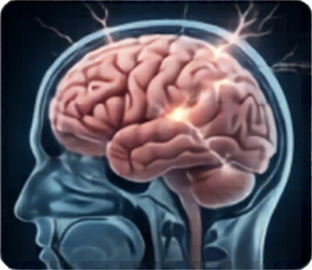
Stress is one of the most common yet hidden reasons for hair thinning. When the body experiences high levels of mental or emotional strain, it produces cortisol, which can prematurely push hair follicles into a resting phase. This condition, often called telogen effluvium, results in noticeable shedding months after a stressful event.
Managing stress through mindfulness, sleep, and relaxation is essential to keeping your hair in its active growth phase.
Overcoming Nutrition Deficiencies

Your hair is made of protein and requires a specific cocktail of vitamins and minerals to grow. A lack of essential nutrients like iron, biotin, Vitamin D, and zinc can starve the hair follicles, leading to weak strands that fall out easily.
Ensuring your body has the building blocks, it needs through a balanced diet or targeted supplements can significantly reduce shedding and improve hair density.
Navigating Hormonal Imbalances
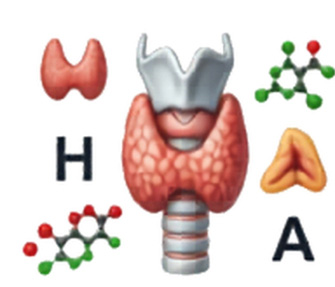
Biological shifts are a major factor in female hair loss. Conditions such as Thyroid irregularities or PCOS (Polycystic Ovary Syndrome) can cause hormonal fluctuations that directly impact the hair growth cycle. These imbalances often lead to thinning at the crown or a change in hair texture.
Addressing these issues usually requires a combination of medical guidance and lifestyle adjustments to bring the body back into harmony.
Resolving Scalp Issues
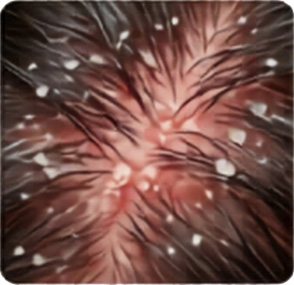
A healthy scalp is the foundation of healthy hair. Issues like chronic dandruff, fungal infections, or inflammatory conditions can clog hair follicles and inhibit growth. If the scalp is itchy, flaky, or irritated, it creates an environment where hair cannot thrive.
Using medicated cleansers and maintaining proper scalp hygiene is vital to ensuring that new hair can grow without obstruction.
The Dangers of Excessive Styling
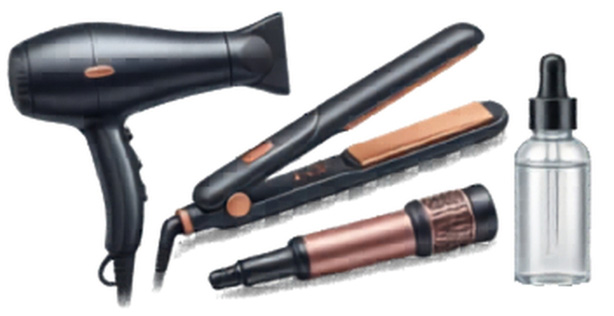
While we all love a good “look,” over-styling is a physical threat to hair health. The frequent use of high-heat tools like straighteners and blow dryers, combined with harsh chemical treatments or tight hairstyles, causes traction and heat damage. This weakens the hair shaft, leading to breakage and permanent follicle damage.
Giving your hair a break from heat and choosing gentler styling methods can save your strands from unnecessary loss.
The Link Between Poor Diet and Junk Food
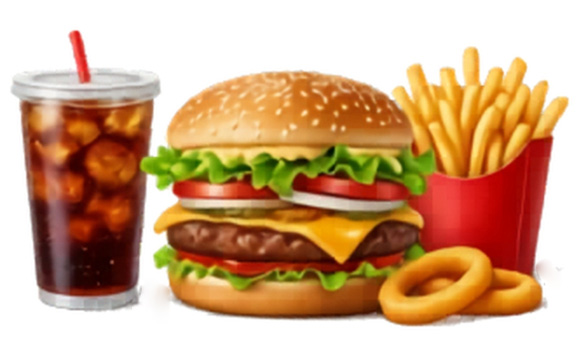
What you put inside your body shows up on the outside. A diet high in processed junk food, sugar, and unhealthy fats lacks the antioxidants and proteins required for cellular repair. Unhealthy eating habits can lead to systemic inflammation, which negatively affects hair follicles.
Shifting toward whole, nutrient-dense foods provides the “fuel” your hair needs to remain resilient and vibrant.
Other Hail Fall Contributing Factors
Beyond the main six reasons, other lifestyle and biological factors play a role. Smoking reduces blood circulation to the scalp, depriving hair of oxygen, while certain medications can have hair loss as a side effect. Finally, genetics play a part in how our hair ages over time. By looking at your health holistically, considering your habits, your history, and your environment, you can build a sustainable routine for long-term hair health.

